


 Advertising Disclosure
Laptops Comparison - June 2026



| 1 Best Choice  9.9Exceptional | 2  9.8Exceptional | 3 Best Value  9.5Excellent | 4  9.4Excellent | 5  9.2Excellent | 6  9.1Excellent | 7  9.0Excellent |
| View DealOn Amazon | View DealOn Amazon | View DealOn Amazon | View DealOn Amazon | View DealOn Amazon | View DealOn Amazon | View DealOn Amazon |
ModelApple 2026 MacBook Air 13-inch Laptop with M5 chip: Built for AI, 13.6-inch Liquid Retina Display, 16GB Unified Memory, 512GB SSD, 12MP Center Stage Camera, Touch ID, Wi-Fi 7; Midnight | Model ASUS ROG Strix G16 (2025) Gaming Laptop, 16” FHD+ 16:10 165Hz/3ms Display, NVIDIA® GeForce RTX™ 5060 Laptop GPU, Intel® Core™ i7 Processor 14650HX, 16GB DDR5, 1TB Gen 4 SSD, Wi-Fi 7, Windows 11 Home | Model HP 15.6" FHD Laptop 2026 Edition with Copilot AI, 16GB RAM, 256GB SSD, Intel Processor, Long Battery Life, Lightweight 3.64 lbs, Microsoft 365, Windows 11 for Students & Office | Model Samsung 14" Galaxy Chromebook Go Laptop PC Computer, Intel Celeron N4500 Processor, 4GB RAM, 64GB Storage, ChromeOS, XE340XDA-KA2US, Student Laptop, Silver | Model Apple 2026 MacBook Neo 13-inch Laptop with A18 Pro chip: Built for AI and Apple Intelligence, Liquid Retina Display, 8GB Unified Memory, 256GB SSD Storage, 1080p FaceTime HD Camera; Blush | Model HP Essential Laptop Computer for Student Daily Study, Microsoft Office 365, Intel N150, 4GB RAM, 128GB Storage, Long Battery Life & Fast Charging, Windows 11 Home, Type-C Hub, Sky Blue | Model Dell 16 Laptop DC16251-16.0-inch 16:10 2K Touchscreen Display, Intel Core 7 150U Processor, 16GB DDR5 RAM, 1TB SSD, Intel Graphics, Windows 11 Home, 1 Year Basic Onsite Service, Cloud Blue |
BrandApple | Brand ASUS | Brand HP | Brand Samsung | Brand Apple | Brand HP | Brand Dell |
Reviews | Reviews | Reviews  | Reviews | Reviews | Reviews | Reviews |
Tech Specs | ||||||
ProcessorApple M5 chip | Processor Intel Core i7 14650HX | Processor Intel N100 | Processor Intel Celeron N4500 | Processor A18 Pro chip | Processor Intel N150 | Processor Intel Core 7 150U |
Storage512GB SSD | Storage 1TB PCIe Gen 4 SSD | Storage 256GB SSD | Storage 64GB | Storage 256GB SSD Storage | Storage 128GB UFS | Storage 1TB SSD |
Display Size13.6-inch | Display Size 16 inch | Display Size 15.6" | Display Size - | Display Size 13-inch | Display Size - | Display Size 16-inch |
Operating System- | Operating System Windows 11 Home | Operating System Windows 11 Home | Operating System ChromeOS | Operating System - | Operating System Windows 11 Home | Operating System Windows 11 Home |
Battery LifeMaximum 18 hours | Battery Life - | Battery Life - | Battery Life Up to 12 hours | Battery Life Maximum 16 hours | Battery Life All-day battery life | Battery Life - |
RAM- | RAM - | RAM 16GB | RAM 4GB | RAM - | RAM 4GB DDR4 | RAM 16GB DDR5 |
WirelessWi-Fi 7, Bluetooth 6 | Wireless Wi-Fi 7 | Wireless WiFi 6 | Wireless - | Wireless - | Wireless - | Wireless - |
Camera12MP Center Stage | Camera - | Camera - | Camera - | Camera 1080p FaceTime HD Camera | Camera - | Camera Up-to FHD camera |
Display Resolution- | Display Resolution FHD+ 16:10 165Hz/3ms | Display Resolution - | Display Resolution - | Display Resolution 2408-by-1506 | Display Resolution - | Display Resolution 2K |
Available On   | Available On  | Available On | Available On  | Available On  | Available On | Available On |
Our Top 3 Picks
Here are the top 3 recommended products with more information to help you find the right product for you 9.9
1Apple14% Off
9.9
1Apple14% OffApple 2026 MacBook Air 13-inch Laptop with M5 chip: Built for AI, 13.6-inch Liquid Retina Display, 16GB Unified Memory, 512GB SSD, 12MP Center Stage Camera, Touch ID, Wi-Fi 7; Midnight
Why we love it
 Long battery life for all-day use
Fast performance with M5 chip
High-quality 13.6-inch Liquid Retina display
Main highlights
Long battery life for all-day use
Fast performance with M5 chip
High-quality 13.6-inch Liquid Retina display
Main highlights- UP TO 18 HOURS OF BATTERY LIFE — MacBook Air delivers incredible battery life with amazing performance, so you can power through a full day of work or class without worrying about plugging in.*
- SUPERCHARGED BY M5 — With its faster CPU and unified memory, the M5 chip delivers even more performance and fluidity across apps, making multitasking and creative workflows smooth and responsive. A powerful Neural Engine and next-generation GPU with Neural Accelerators give you a powerful platform for AI.
- MIGHT TAKES FLIGHT — MacBook Air with the M5 chip packs blazing speed and powerful AI capabilities into an incredibly portable design. With Apple Intelligence,* up to 18 hours of battery life,* and fast SSD storage starting from 512GB,* you can work, create, and play anywhere life takes you.
- MACOS RUNS APPS FAST — All your go-to apps run lightning fast in macOS, including built-in apps like FaceTime and Messages. Plus, built-in virus protection and free software updates help keep your Mac running smoothly and securely.
- IF YOU LOVE IPHONE, YOU’LL LOVE MAC — Mac works like magic with your other Apple devices. View and control what’s on your iPhone from your Mac with iPhone Mirroring.* Copy something on iPhone and paste it on Mac. Send texts with Messages from your Mac, or use your Mac to answer FaceTime calls.*
- CONNECT IT ALL — MacBook Air features two Thunderbolt 4 ports, a MagSafe charging port, and a headphone jack — as well as the Apple N1 chip for Wi-Fi 7 and Bluetooth 6.* And it supports up to two external displays.
- APPLE INTELLIGENCE — Apple Intelligence is the personal intelligence system that helps you write, express yourself, and get things done effortlessly. With groundbreaking privacy protections, it gives you peace of mind that no one else can access your data — not even Apple.*
- A BRILLIANT 13.6-INCH DISPLAY — The Liquid Retina display supports 1 billion colors.* Photos and videos pop with rich contrast and sharp detail, and text appears supercrisp.
- 12MP CENTER STAGE CAMERA — Automatically stay in frame during video calls with Center Stage, or share a top-down view of your workspace with Desk View. And with a three-mic array and four-speaker sound system with Spatial Audio and support for Dolby Atmos, everything sounds great.
- * LEGAL DISCLAIMERS — This is a summary of the main product features. See below to learn more.
-
9.8
2ASUS
ASUS ROG Strix G16 (2025) Gaming Laptop, 16” FHD+ 16:10 165Hz/3ms Display, NVIDIA® GeForce RTX™ 5060 Laptop GPU, Intel® Core™ i7 Processor 14650HX, 16GB DDR5, 1TB Gen 4 SSD, Wi-Fi 7, Windows 11 Home
Why we love it
Powerful gaming and productivity performance
Fast 165Hz display reduces motion blur
Large 1TB SSD for ample storage
Main highlights- STATE-OF-THE-ART ROG INTELLIGENT COOLING – ROG’s advanced thermals keep your system cool, quiet and comfortable. State of the art cooling equals best in class performance. Featuring an end-to-end vapor chamber, tri-fan technology and Conductonaut extreme liquid metal applied to the chipset delivers fast gameplay.
- HIGH-LEVEL PERFORMANCE – Unleash power with Windows 11 Home, an Intel Core i7 Processor 14650HX, and an NVIDIA GeForce RTX 5060 Laptop GPU powered by the NVIDIA Blackwell architecture and featuring DLSS 4 and Max-Q technologies.
- FULL-SURROUND RGB LIGHTBAR, YOUR WAY – Showcase your style with a 360° RGB light bar that syncs with your keyboard and ROG peripherals. In professional settings, Stealth Mode turns off all lighting for a sleek, refined look.
- FAST MEMORY AND STORAGE – Multitask seamlessly with 16GB of DDR5-5600MHz memory and store all your game library on 1TB of PCIe Gen 4 SSD.
- DYNAMIC DISPLAY AND SMOOTH VISUALS – Immerse yourself in stunning visuals with the smooth 165Hz FHD+ display for gaming, creation, and entertainment. Featuring a new ACR film that enhances contrast and reduces glare.
-
9.5
3HP37% Off
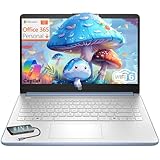
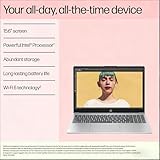
HP 15.6" FHD Laptop 2026 Edition with Copilot AI, 16GB RAM, 256GB SSD, Intel Processor, Long Battery Life, Lightweight 3.64 lbs, Microsoft 365, Windows 11 for Students & Office
Why we love it
Lightweight and easy to carry
Fast multitasking with 16GB RAM
Long battery life for full-day use
Main highlights- Stay Connected Anywhere: WiFi 6 technology ensures fast, stable internet for Zoom classes, video conferences, and streaming. Full-size keyboard with numeric keypad makes data entry, spreadsheets, and typing papers comfortable. Multiple USB ports, HDMI output, and headphone jack provide flexibility for external monitors, printers, and accessories.
- Powerful Everyday Performance: Intel N100 processor with 16GB RAM handles multiple browser tabs, Microsoft Office for web, video streaming, and online classes simultaneously without slowdown. Perfect for students writing research papers while referencing sources, remote workers managing emails and video calls, or families sharing one reliable computer for homework, bills, and entertainment.
- Massive Storage Bundle: 256GB internal SSD for lightning-fast boot times and app loading. Keep schoolwork, work documents, and family memories safe with room to grow—no need to buy additional storage.
- Complete Package, Exceptional Value: Arrives with Windows 11 Home, lifetime Office for web, and everything you need to start working or studying immediately—ready for 2026 and beyond. Ideal as a family computer, student laptop, home office workstation, or first computer, delivering reliable performance for everyday computing without premium pricing. Backed by HP quality and support.
- Built for Mobility: At just 3.64 lbs, true portability lets you easily carry between classes, commute to coffee shops, or move from room to room at home. Long battery life and a quick charge keep you going through long study sessions, work marathons, or movie nights, while the 15.6" anti-glare display reduces eye strain and the slim profile fits in most backpacks and laptop bags.




Laptops Buyer's Guide
 Written by Leanna Gil
Introduction
Buying a laptop can be a daunting task, given the plethora of options available in the market. There are various factors to consider while buying a laptop such as the purpose of use, specifications, portability, and budget. In this buying guide, we will discuss the essential features to look for while buying a laptop and the different types of laptops available in the market.
Types of Laptops
There are different types of laptops available in the market, each designed for specific purposes. The most common types are Ultrabooks, Gaming laptops, Convertible laptops, and Budget laptops. Ultrabooks are designed for portability and light-weight usage, making them perfect for travelers and students. Gaming laptops are designed for high-end gaming, with powerful graphics cards and high refresh rates. Convertible laptops can transform into tablets and are ideal for professionals who need to take notes, draw diagrams, or sketch ideas. Budget laptops are the most affordable options and are ideal for basic usage such as browsing the internet and running office applications.
Processor
The processor is the brain of a laptop and plays a crucial role in its performance. Intel and AMD are the most common processor manufacturers in the market. The latest processors from Intel are the Core i9, i7, i5, and i3, while AMD offers Ryzen 7, 5, and 3 processors. The higher the number, the better the performance. The processor's speed is measured in gigahertz (GHz), and a higher speed is ideal for applications that require heavy usage such as gaming and video editing.

RAM and Storage
RAM and Storage are important factors to consider while buying a laptop. The RAM is the memory that a laptop uses to run applications and processes. The minimum RAM requirement for basic usage is 4GB, while for heavy usage such as gaming and video editing, a minimum of 8GB is recommended. Storage is the space available on a laptop to store files, applications, and the operating system. Laptops can have either Hard Disk Drive (HDD) or Solid State Drive (SSD) storage. SSDs are faster than HDDs and provide better performance. However, SSDs are more expensive than HDDs, so a laptop with an HDD can be a more budget-friendly option.
Screen Size and Resolution
The screen size and resolution are important factors to consider while buying a laptop. The screen size can range from 11 inches to 17 inches, and the resolution can range from 720p to 4K. A larger screen size and higher resolution are ideal for professionals who need to work on multiple applications simultaneously and require higher clarity. On the other hand, a smaller screen size and lower resolution are suitable for basic usage such as browsing the internet and running office applications.
Battery Life and Portability
Battery life and portability are important factors to consider while buying a laptop. A laptop with a longer battery life is ideal for travelers and students who need to use it for extended periods without access to a power source. A lightweight and compact laptop is ideal for those who need to carry it around frequently. Ultrabooks are the most portable laptops, while gaming laptops are the heaviest and least portable. The trade-off between portability and performance should be considered while making a purchase decision.


Our ranking system
At bestchoice.com, our team curates a selection of top products from a vast array available online, using a sophisticated ranking system based on carefully defined criteria.While traditional hands-on testing has its merits, our use of AI technology offers distinct advantages. AI allows us to process and analyze vast amounts of data from multiple sources, providing a comprehensive view that goes beyond what manual testing can achieve. This approach enables us to deliver insights that are aligned with current trends and consumer preferences, ensuring our reviews are both relevant and up-to-date.
Features
Our AI-driven analysis examines key attributes, capabilities, and other critical factors tailored to each product category. This method allows us to assess effectiveness from various perspectives, ensuring a well-rounded evaluation.
Consumer Reviews
We aggregate and evaluate consumer feedback from across the internet, giving weight to ratings and reviews that reflect the most reliable insights. AI enhances this process by filtering and prioritizing data, offering a balanced view without the need for direct personal endorsements.
Popularity
Our system also considers the popularity of products, analyzing factors such as market presence, reputation, and user satisfaction. By leveraging AI, we capture a comprehensive picture of a product's standing in the market, which may not always be evident through traditional testing.
Value for money
AI allows us to compare products based on attributes like price, specifications, and user feedback, helping to determine their value for money. This data-driven approach offers an efficient and reliable way to assess how products stack up against one another in terms of cost-effectiveness.

